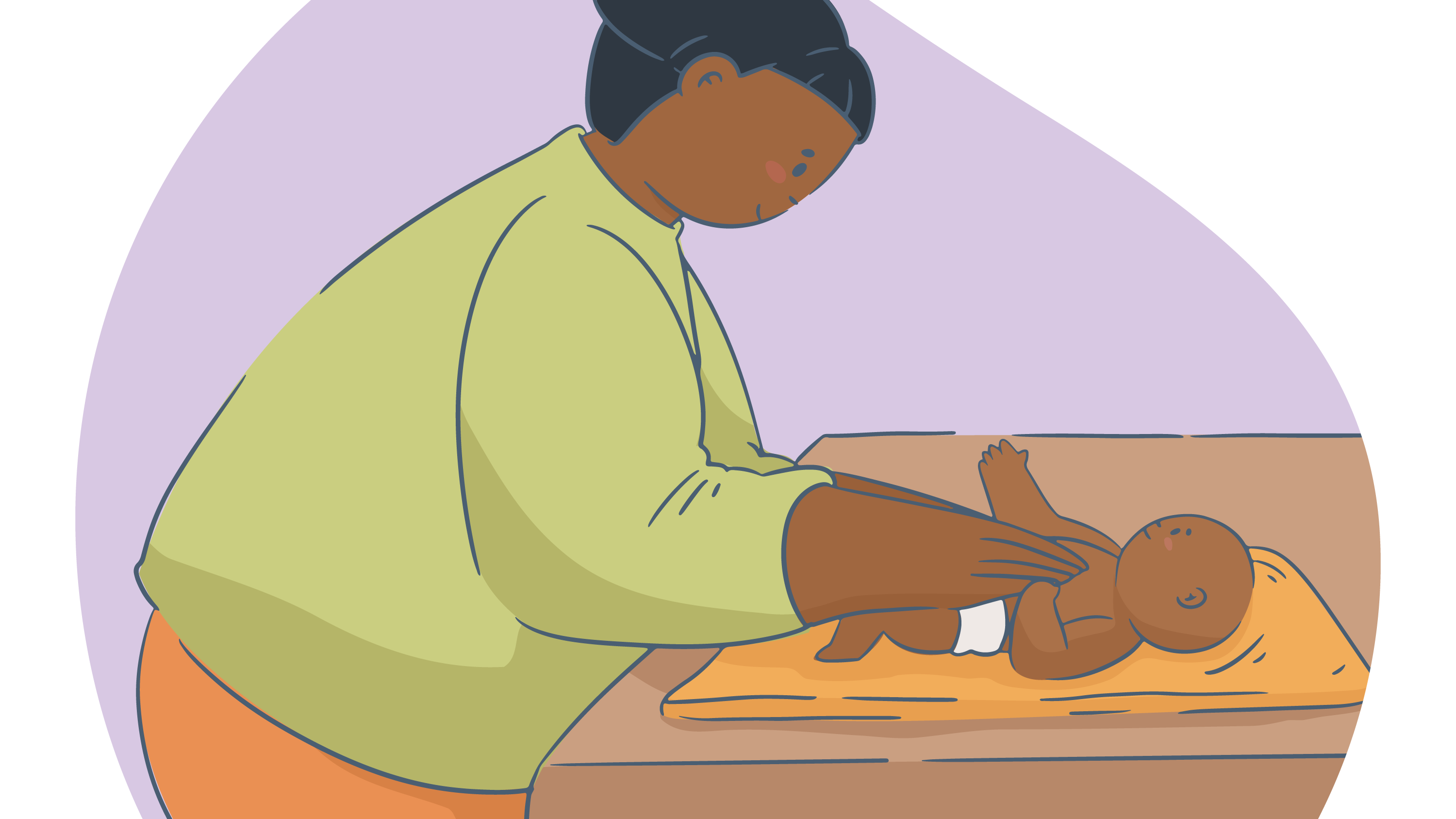
The daily application of chlorhexidine to the umbilical cord stump in the first postnatal week is a recommendation that depends on the settings.
The only scenario that supports its use is where traditionally noxious substances (e.g., animal manure) are used on the umbilical cord. In newborns with unhygienic cord care (defined as the use of noxious substances on the cord, such as dust, clay, mud, and animal manure), chlorhexidine reduced mortality.
The recommendation is based on studies from Asia and Africa with high proportions of home births and low birth weight infants and high neonatal mortality, conducted mainly between 2000 and 2010. The prevalence of omphalitis has since declined.
In settings with neonatal mortality rates below 30%, where the context does not condition unhygienic umbilical cord care, chlorhexidine did not reduce mortality. In these settings, umbilical cord care is recommended to ensure that the umbilical cord is clean and dry.