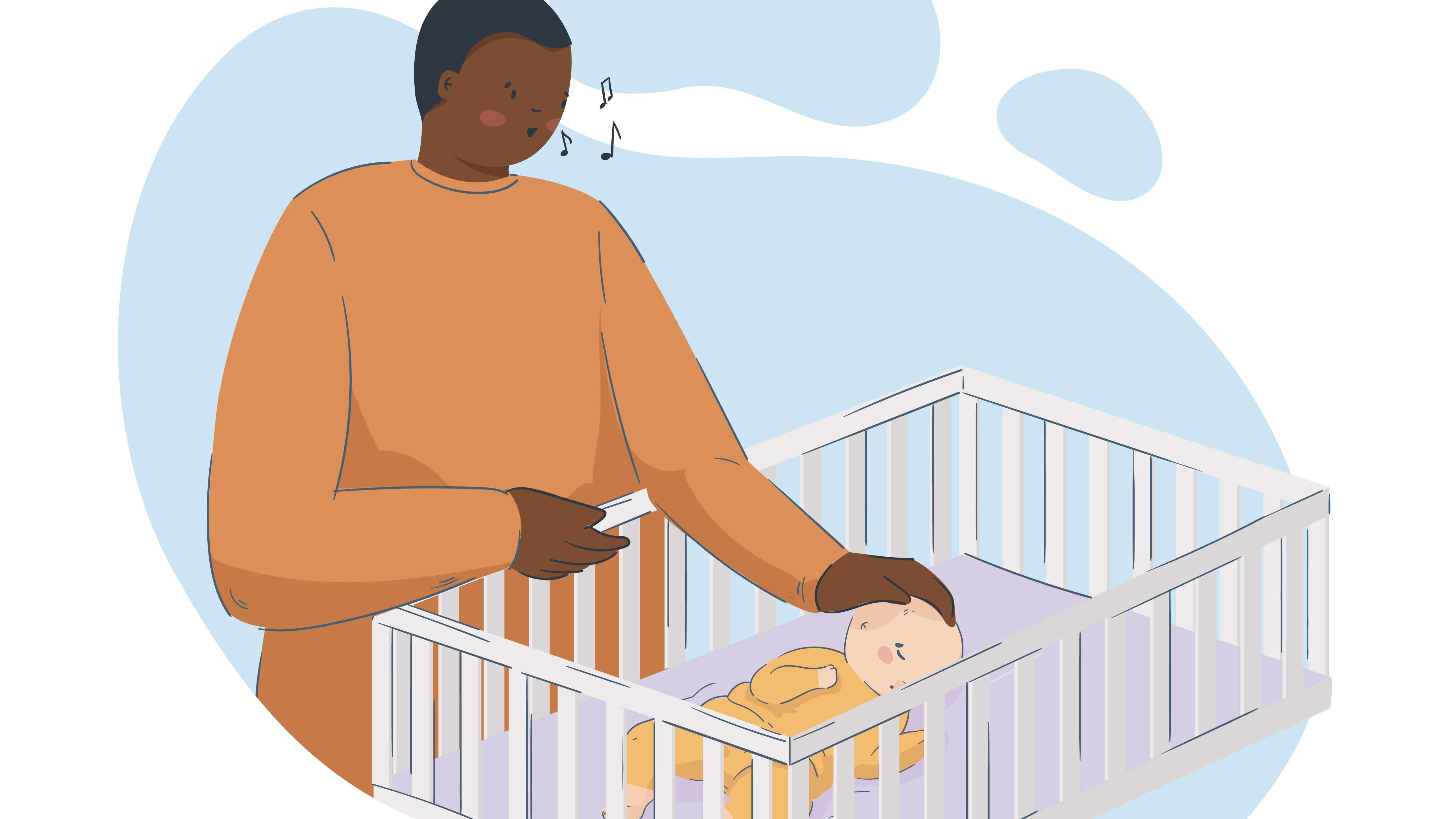
Responsive care encompasses both sensitivity and responsiveness with which a young infant is assisted. Sensitivity is awareness, from birth, of a young child’s acts and vocalizations as communicative signals to indicate needs and wants. Responsiveness is the capacity of parents and caregivers to respond appropriately to these signals. Caregivers enable infants to participate in human communication and exchanges by playing their own part in the interaction as well as helping the infant engage. That is, caregivers have to be sensitive to what their infant might be feeling or trying to do and be able to respond in ways that help their child achieve their emerging intentions. Sensitive parents observe their infants intensely, and notice changes in their child’s facial expressions, gestures, body movements and vocalizations. When parents and caregivers match their actions and emotions to those of their young child, they impart significance to the infant’s acts, give them meaning, and reinforce the child’s feeling and actions and the role of these in the child’s development and relationships with others. Caregiver sensitivity and responsiveness is “built-in”, driven by intense love for one’s infant. Because it is dependent on emotion and motivation, responsive care can break down under conditions of stress and distress, such as war or displacement, caregiver depression, domestic violence, substance abuse and extreme poverty. It also can be difficult for caregivers to pick up the inconsistent or weak cues of babies who are born prematurely, or who are sick or malnourished. For example, maternal anaemia due to iron deficiency can cause depression and apathy that renders women unable to engage in responsive caregiving. This is compounded when the child is also apathetic or listless due to anaemia. Caregivers in these situations need support, encouragement, guidance, and reassurance, to establish or reestablish responsive care.