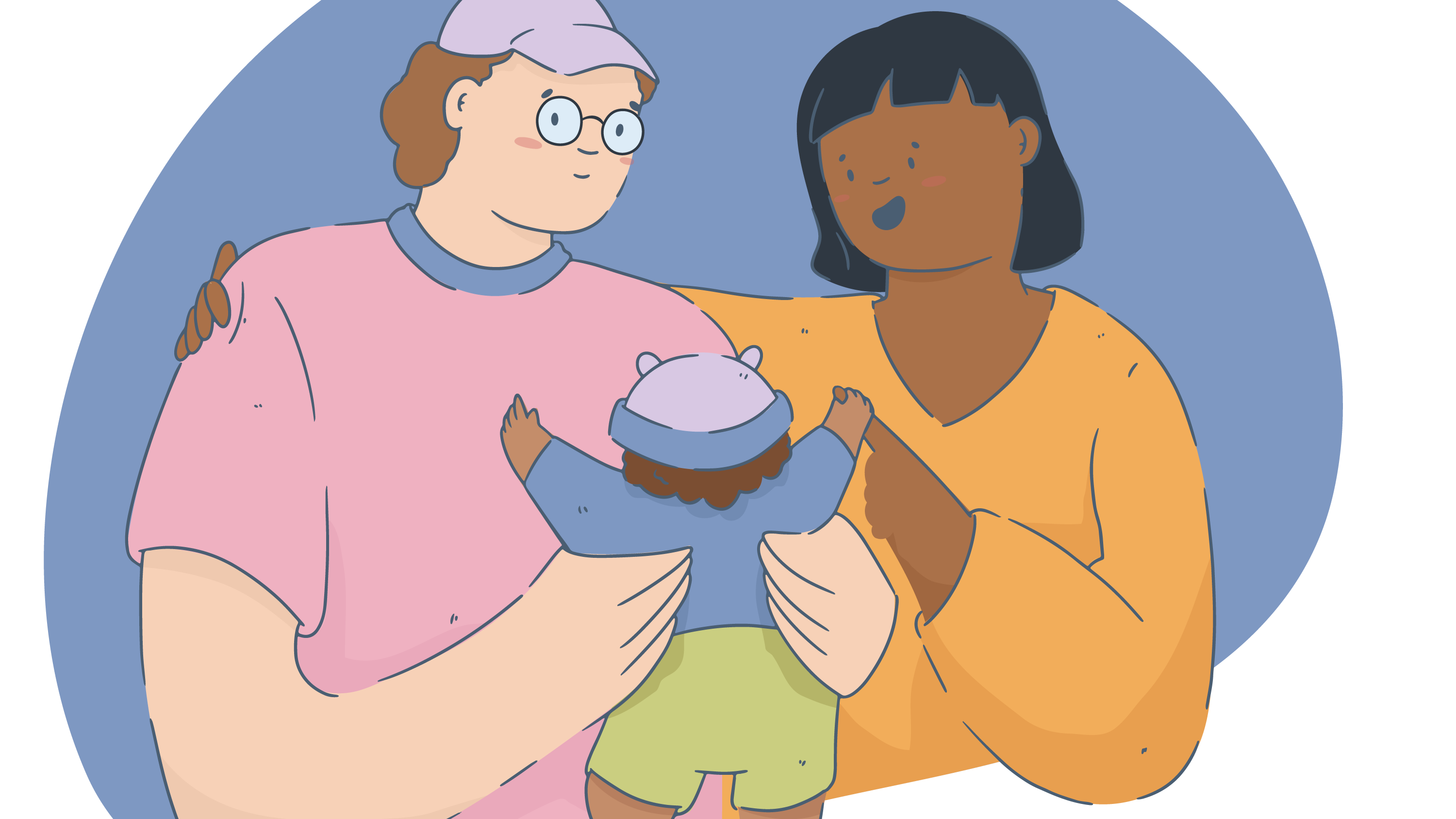
Early childhood (from birth to 8 years of age) is key to achieving the maximum development of the human being. This stage comprises the most sensitive period for brain development and extends from pregnancy (during organogenesis), until 3 years after birth, when the greatest number of neural connections and circuits are formed and the maturation of the central nervous system gets completed. This is the time of life when children's developmental potential is most susceptible to environmental stimuli and early experiences, which influence learning, health, behavior and, in the long term, adult social relationships, well-being and income. Investing in this period is one of the most effective and efficient ways to eliminate poverty and inequality, boost people's prosperity and create the human capital that economies need to diversify and grow.
In these early years of life, the health sector is in a position to support nurturing and sensitive care, to encourage it among caregivers to promote the best child development. Health services and professionals are responsible for fostering a supportive environment before birth, at birth and in the early postnatal months. They should provide caregivers with information, advice and support, particularly to families of newborns with perinatal problems.
From the age of 3, children enter the more formal preschool environment, where the education sector plays a central role.
This is how investment in health care and education enables the development of the maximum potential to thrive and transform realities.