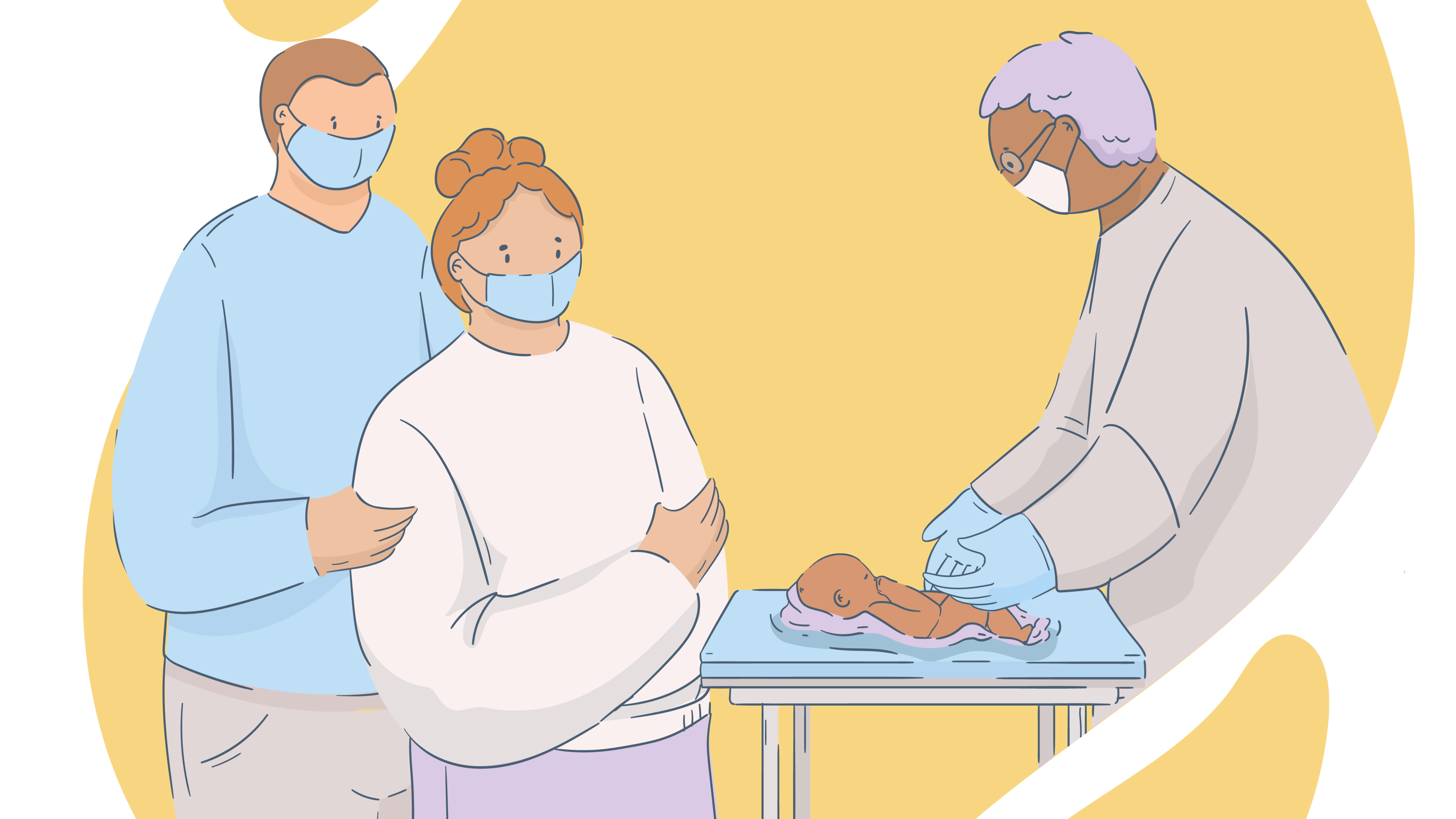
Tetanus is a life-threatening noncommunicable disease caused by a potent neurotoxin produced by the bacterium Clostridium tetani.
Neonatal tetanus can be prevented through vaccination of women before or during pregnancy, which protects the mother and the baby through a transfer of tetanus antibodies. Hygienic childbirth practices are also important to prevent neonatal and maternal tetanus (NNT).
Tetanus occurs within the first 28 days of life. Particularly common in newborn infants and their mothers when they have been inadequately vaccinated or are unvaccinated, mostly, they die. Neonatal tetanus more commonly occurs in difficult to reach, rural areas where deliveries typically take place at home, in unclean environments without adequate hygienic childbirth practices.
NNT often remains silent in the community; many of the non-reported cases and deaths occur at home before the baby reaches 2 weeks of age.
For its prevention it is necessary to apply the tetanus vaccine during pregnancy:
- At first contact or as early as possible during pregnancy.
- At first contact or as early as possible during pregnancy.
- At least 4 weeks after the first dose.
- 6 to 12 months after second dose or during a subsequent pregnancy.
-1 to 5 years after third dose or during a subsequent pregnancy.
- 1 to 10 years after fourth dose or during a subsequent pregnancy.
Pregnant women who received four doses of TTCV during childhood only need one TTCV dose during pregnancy, which should be given at the first possible opportunity.
To obtain lifelong protection, WHO recommends:
- The primary three-dose series combined against diphtheria, tetanus, and pertussis (DTP) in the first year of life.
- Booster dose of a tetanus toxoid ideally given at age 4–7 years, and a second booster in adolescence (e.g., at age 12–15 years) and in early adulthood or in first pregnancy
WHO's goal is to eliminate neonatal tetanus worldwide.