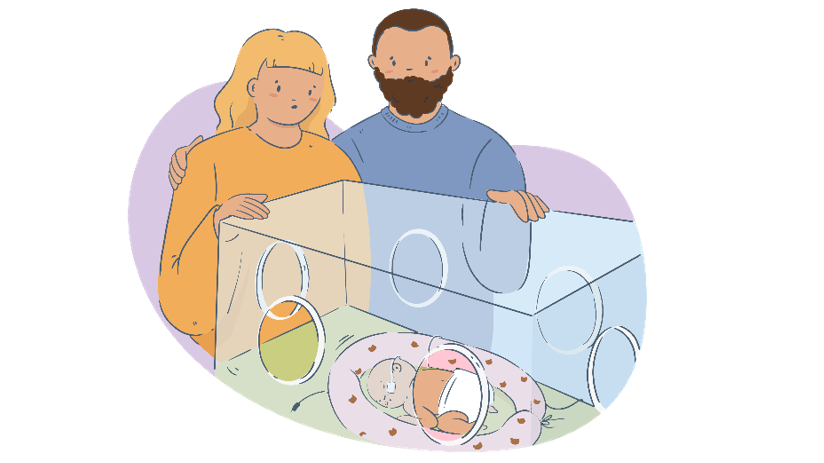
The World Health Organization (WHO) recognizes that newborns feel pain and discomfort and may experience emotional distress, especially when separated from their families in the first hours of life. Pain management and comfort care are WHO standards of care. (Standards in below, in "source")
Pain in newborns affects neurodevelopment, with potential short- and long-term effects.
With each acute episode of pain, vital functions are altered, heart and respiratory rates and blood pressure increase, and hypoxia, hypercapnia, or hypocarbia, and changes in intracerebral pressure occur, with the risk of intraventricular hemorrhage and subsequent periventricular leukomalacia.
In the long term, alterations in cognitive development and learning, as well as increased and prolonged hypersensitivity, may occur.
For all these reasons, the WHO standards of care state that:
- The health team should assess and recognize signs of pain and prevent and minimize the stimuli that cause it.
- Oral sucrose may be useful in potentially painful procedures. In sicker newborns, analgesics may be necessary with appropriate follow-up.
- Caregiver experiences, bonding, skin-to-skin contact, and breastfeeding can have a significant and lasting impact on the health and well-being of newborns throughout their lives.
Routinely assessing all small and sick newborns for pain or symptoms of distress and providing appropriate care according to WHO Guidelines and Recommendations is a standard of quality care.