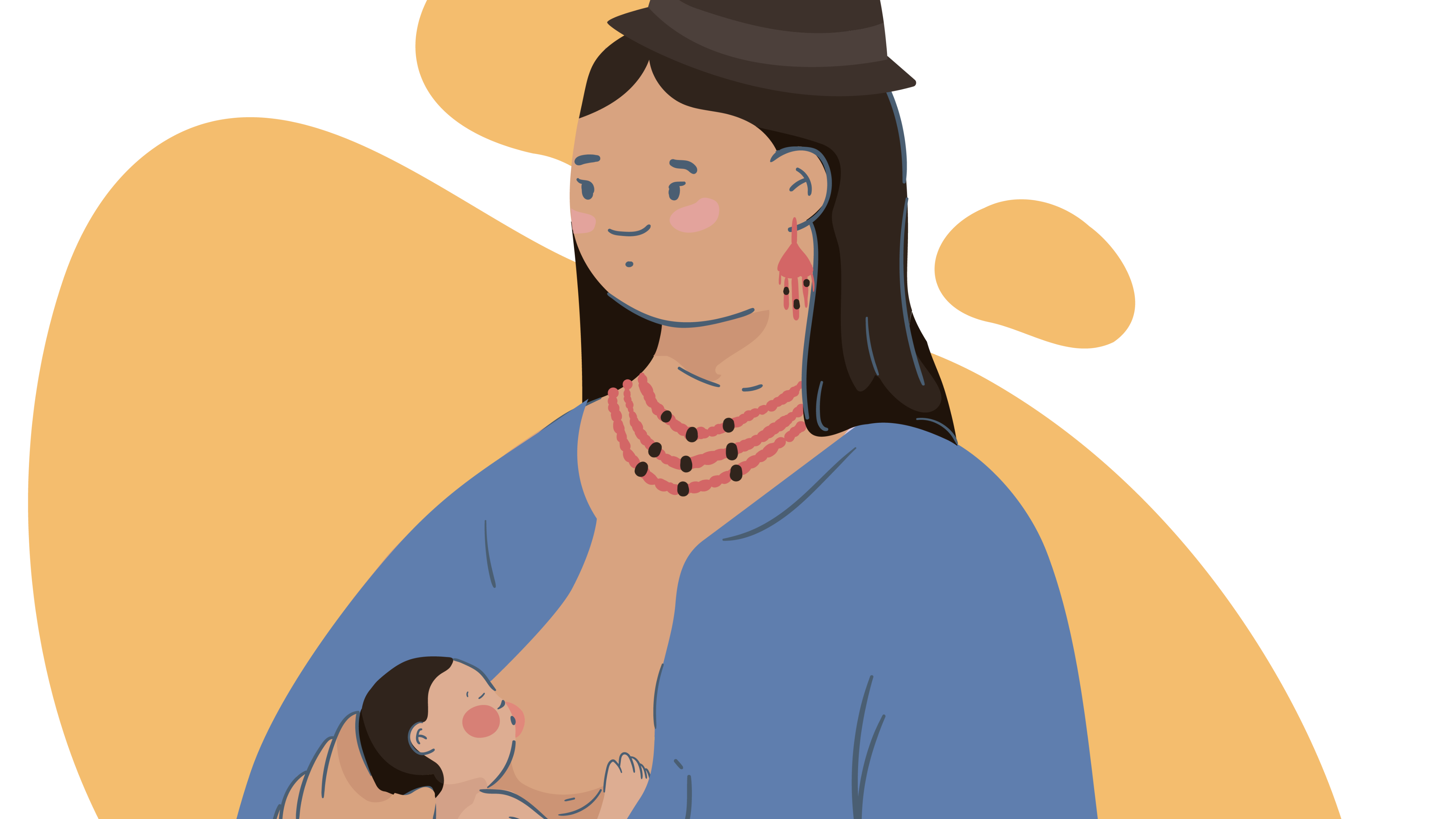
Breastfeeding provides both short- and long-term benefits to the child and the mother.
For the child, breastfeeding provides optimal nutrition and reduces incidence of disease and death. Breastfeeding, particularly exclusive breastfeeding, protects children from diarrhea and pneumonia, the two leading causes of death among children under age five. Other infections, including otitis media, Haemophilus influenzae meningitis, and urinary tract infections, are less common and less severe in infants who are breastfed.
Early initiation of breastfeeding is particularly important in reducing neonatal mortality. A recent systematic review showed that initiation of breastfeeding within the first day of life reduced the risk of death from all causes by 44%.
Over the long term, breastfeeding has a protective effect against overweight and obesity later in life.
Breastfeeding is also consistently associated with an increase in IQ of about three points and significantly increased earnings.
In the mother, breastfeeding can reduce the risk of ovarian and breast cancer, as well as type 2 diabetes, hypertension and some cardiovascular diseases.
When initiated immediately after delivery breastfeeding may reduce the risk of postpartum hemorrhage.
These benefits justify the effort involved in the World Breastfeeding Week theme "Closing the gap: breastfeeding suppot for all."