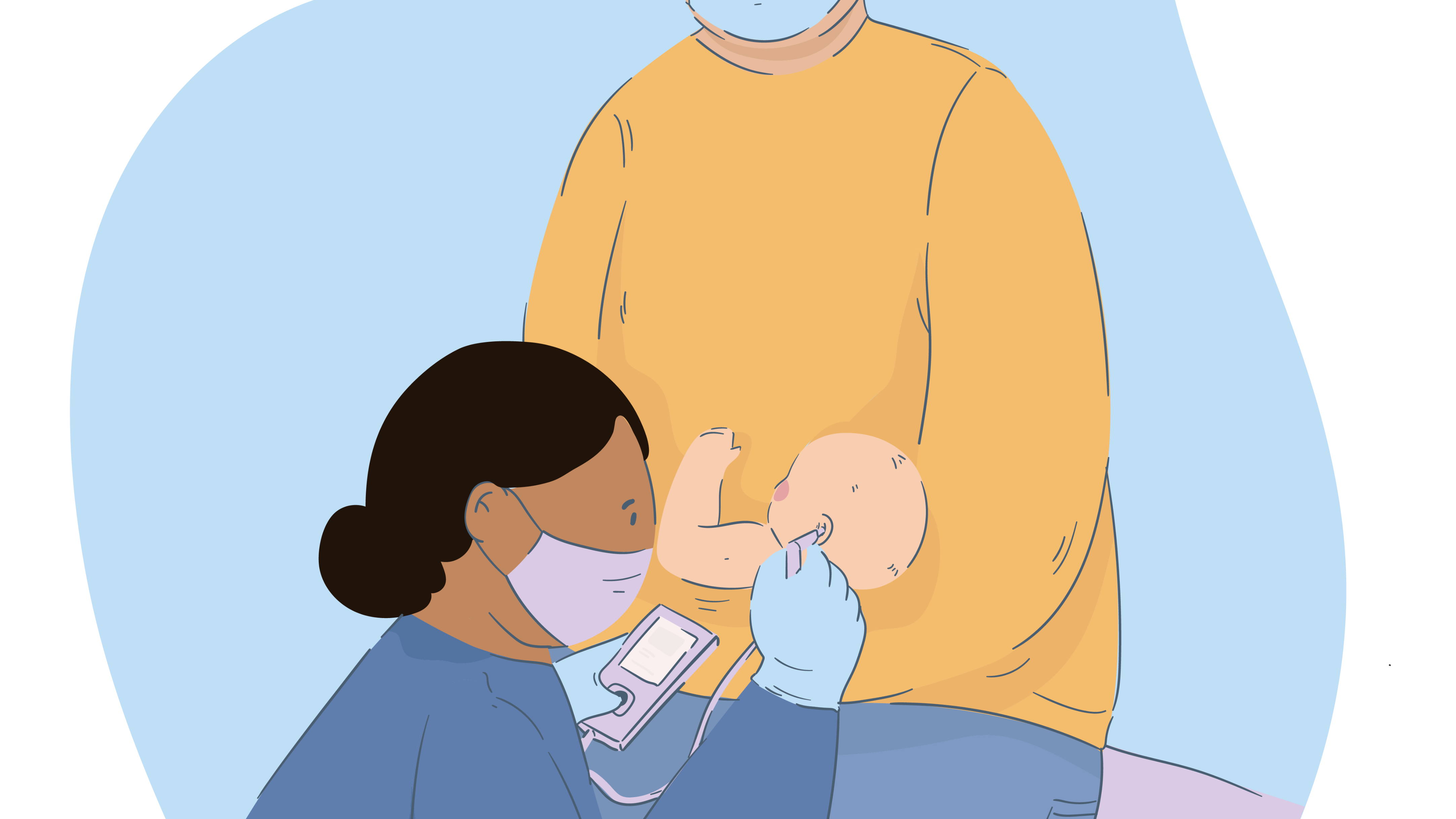
Screening tests are required for the following conditions:
- Inborn errors of metabolism and heart diseases. The tests should be carried out with a dried blood spot sample (heel prick), within 24 to 36 hours of birth. The number and type of diseases that should be screened depends on the screening package offered in each country.
- Critical congenital heart disease. This should be tested with pulse oximetry within 24 hours of birth.
Neonates requiring supplementary oxygen should be screened after 24 hours of being clinically stable, in ambient air.
- Neurological conditions. Neurological evaluations should be carried out in a comprehensive and systematic manner using the Amiel-Tison neurological examination, the Dubowitz examination or the Prechtl general movements assessment.
- Retinopathy of prematurity. Screening for retinopathy of prematurity (ROP) is recommended for every neonate with a birthweight of less than 2,000 g or a gestational age of 36 weeks of any birthweight, presenting at least one of the situations identified as risk factors for ROP.
- Hearing problems. Assessed by performing auditory evoked potentials (AEPs) and carrying out an otoacoustic emissions (OAE) test before discharge. If the neonate stays in NICU for more than five days, screening should be carried out after the neonate is clinically stable and has reached a gestational age of 32 weeks, and screening should include AEPs.
- Anemia. In premature babies, the following should be checked on discharge: hemoglobin, ferritin, total body iron levels. Depending on these levels, iron may be administered through a multivitamin, supplement or fortified humane milk substitute. The discharge plan should include monitoring for symptoms of premature
osteopenia, anemia, tachycardia, poor weight gain, hemoglobin levels, the presence of reticulocytosis and sufficient iron intake in the baby’s diet.
- Stable weight gain in at-risk neonates in the last week before discharge.