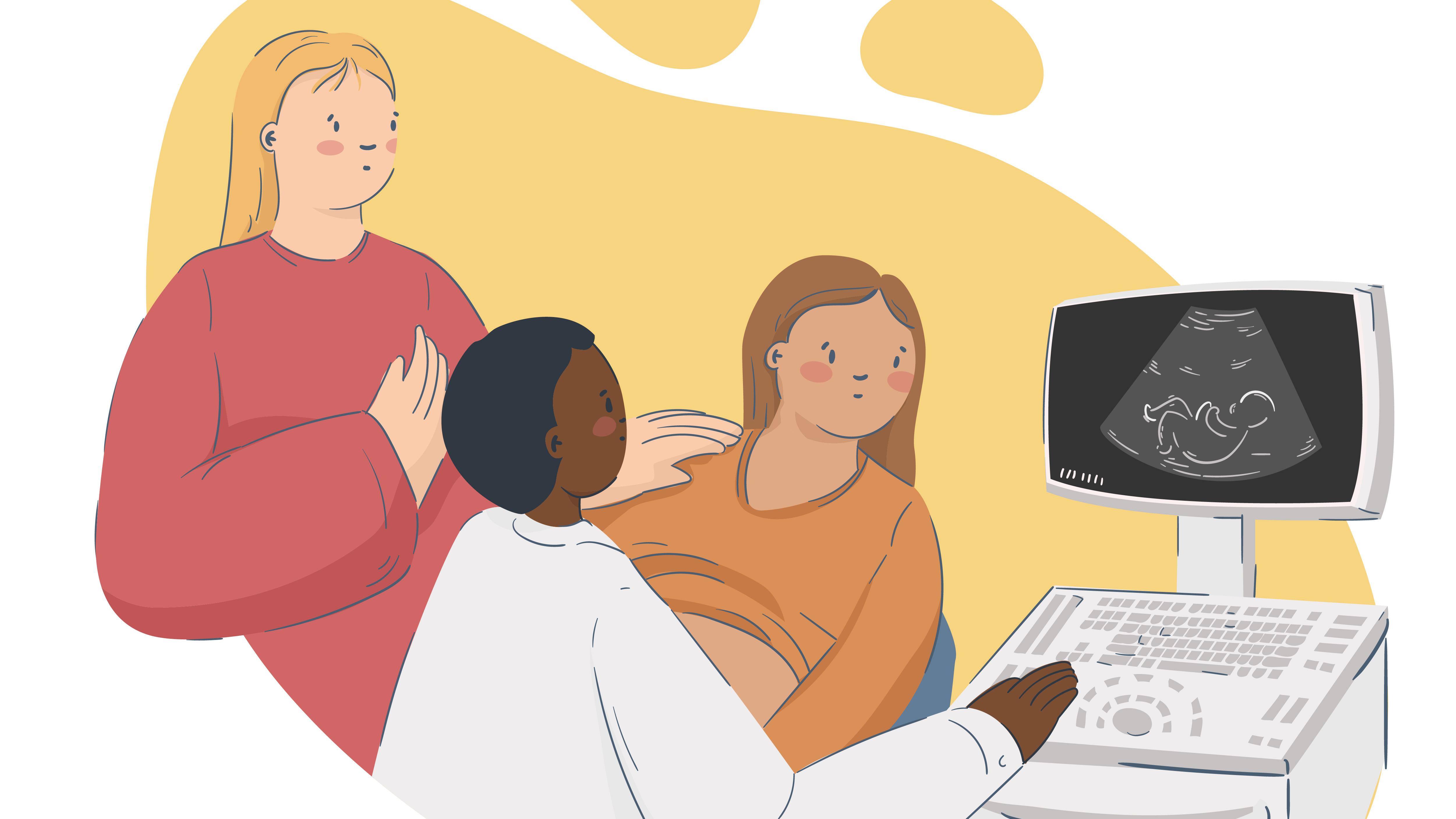
Neural tube defects (NTDs) are the most common defects of the central nervous system, with a strong impact on infant morbidity and mortality.
These are some of the milestones that can be highlighted about their evolution:
- 70s: advances in medical/surgical therapies lead to a significant reduction of sequelae and disability.
- 90s: beginning of primary prevention of NTDs based on preconceptional use of folic acid, through vitamin supplementation or with folic acid fortification (FAF) of foodstuff, a highly cost-effective measure that showed rapid results in several populations.
- 2000s: start of intrauterine interventions for patients with spina bifida showing promising results.
Countries with mandatory FAF policies manage to reduce NTD prevalence to values of about 0.6 per 1,000 total births. In countries without FAF the average prevalence is about 2.5 per 1,000 live births, and in some cases there are even frequencies as high as 10 or 20 per 1,000 live births.
In 2015, WHO recommended promoting measures to achieve optimal folate concentrations in women of reproductive age and a population-level threshold of RBC folate concentrations above 400 ng/ml (906 nmol/L) to minimize the prevalence of NTDs.
The limited development of CD surveillance systems and the scarce and fragmented information available in Latin America hinder the ability to adequately determine the prevalence of NTDs in more than 11 million births per year.
Currently, almost all countries have FAF legislation and programs aimed at reducing conditions related to folic acid and other micronutrient deficiencies. However, few have established monitoring and evaluation of the impact of their prevention programs nor have they identified time trends before and after FAF, partially reducing the visibility of these CDs.
In addition to FAF, there is a need for integrated surveillance of all adverse outcomes; the concept involves surveillance of:
- the cause (e.g., folate insufficiency),
- disease occurrence (prevalence of NTDs)
- health outcomes (morbidity, mortality and disability).