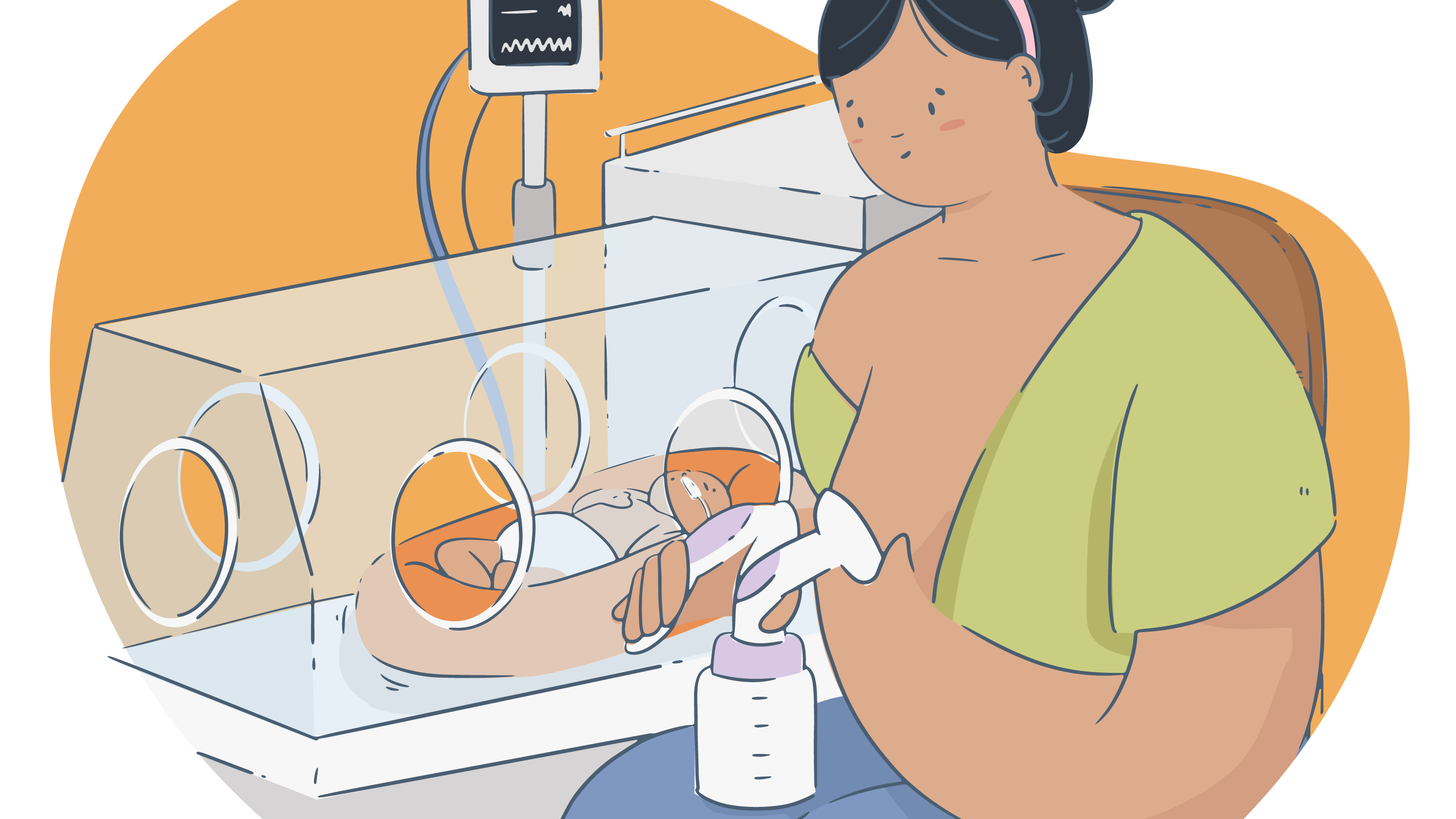
Necrotizing enterocolitis (NEC) is one of the most serious morbidities in preterm infants (PTNB). It is an inflammatory disease of the bowel that can cause perforation of the gut and peritonitis. Its underlying cause would be multifactorial. Some theories blame intestinal mucosal injury, inflammation and the presence of abnormal gut colonization.
Feeding PTNBs with human milk (HM) seems to have a preponderant role in the reduction of NEC, even if the supply of HM is partial.
The protective effect of HM appears to be dose-dependent. The greatest protection would be obtained when the intake of HM exceeds 50% of the total diet. The reason why it is dose-dependent is still unknown; it seems to be related both to the higher intake of HM from the mother and to the lower exposure to cow's milk-based artificial formulas.
The timing of HM delivery also appears to be important. The greatest protection would occur when it is received within 14 to 28 days after birth. Small, so-called "trophic" feeds (0.5-2.0 mL), given in the first two days of life, do not seem to increase the risk of NEC and would then make it easier to reach full volumes earlier.
The protective effects, which would reduce the incidence and severity of NEC, would occur through the synergistic actions of nutritional, enzymatic, hormonal, immunological, immunomodulatory, anti-inflammatory, antioxidant, and growth factors. When a baby is born prematurely, the immaturity of the mammary gland with loose cell tight junctions facilitates the passage of these large molecular proteins into the milk, suitable for the premature baby’s requirements.
Each mother produces milk specially adapted to the needs of her premature infant, which makes it a tailor-made food for a personalized treatment.