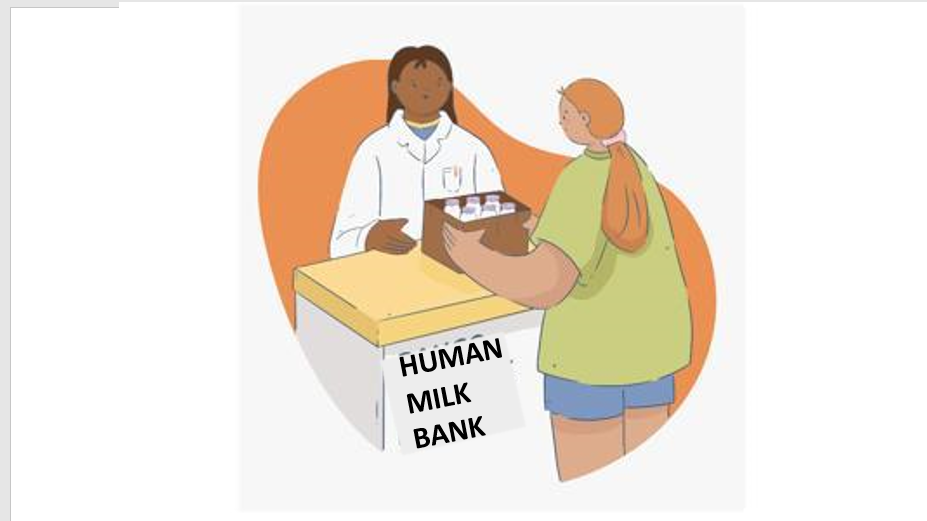
Banked human milk (BHM) is the alternative of choice for feeding preterm infants (PTNB) as it provides the opportunity for them to receive a diet consisting of exclusive human milk when the milk of the baby’s own mother is unavailable, scarce or contraindicated.
In terms of its benefits, BHM is somewhat inferior to the mother's own, but superior to artificial formula.
Human milk banks are supplied through the donation of the mothers of full-term babies. Hence, BHM is different from the milk obtained immediately after birth, especially if the baby was born prematurely. In addition, it must be processed and stored. However, it can save lives and raise community awareness about the value of breastfeeding.
Although there is some evidence of slower growth in PTB infants fed BHM, its use benefits them by reducing morbidities such as necrotizing enterocolitis, bronchopulmonary dysplasia, late sepsis and retinopathy of prematurity.
In hospitalized infants, supplementing the mother's own milk supply with BHM is cost-effective, as it reduces the costs of hospital stay and discharge care. These results are more robust when exclusive human milk feeding is achieved in premature infants born extremely small.
In environments with high mortality, especially as a result of infections, BHM is recommended for infants and children who do not have access to their own mother's milk.
Human milk banks must have standards and procedures that confer sustainability, safety, and appropriate clinical and ethical use. Their management requires planning, resources, and the commitment of governments and health authorities to provide the best nutrition for premature, small or sick babies.
It is very important that all those who breastfeed and who wish to do so donate their milk to human milk banks that provide premature, small or sick children with this essential food for their survival and optimal development.